
🌬️ Introduction
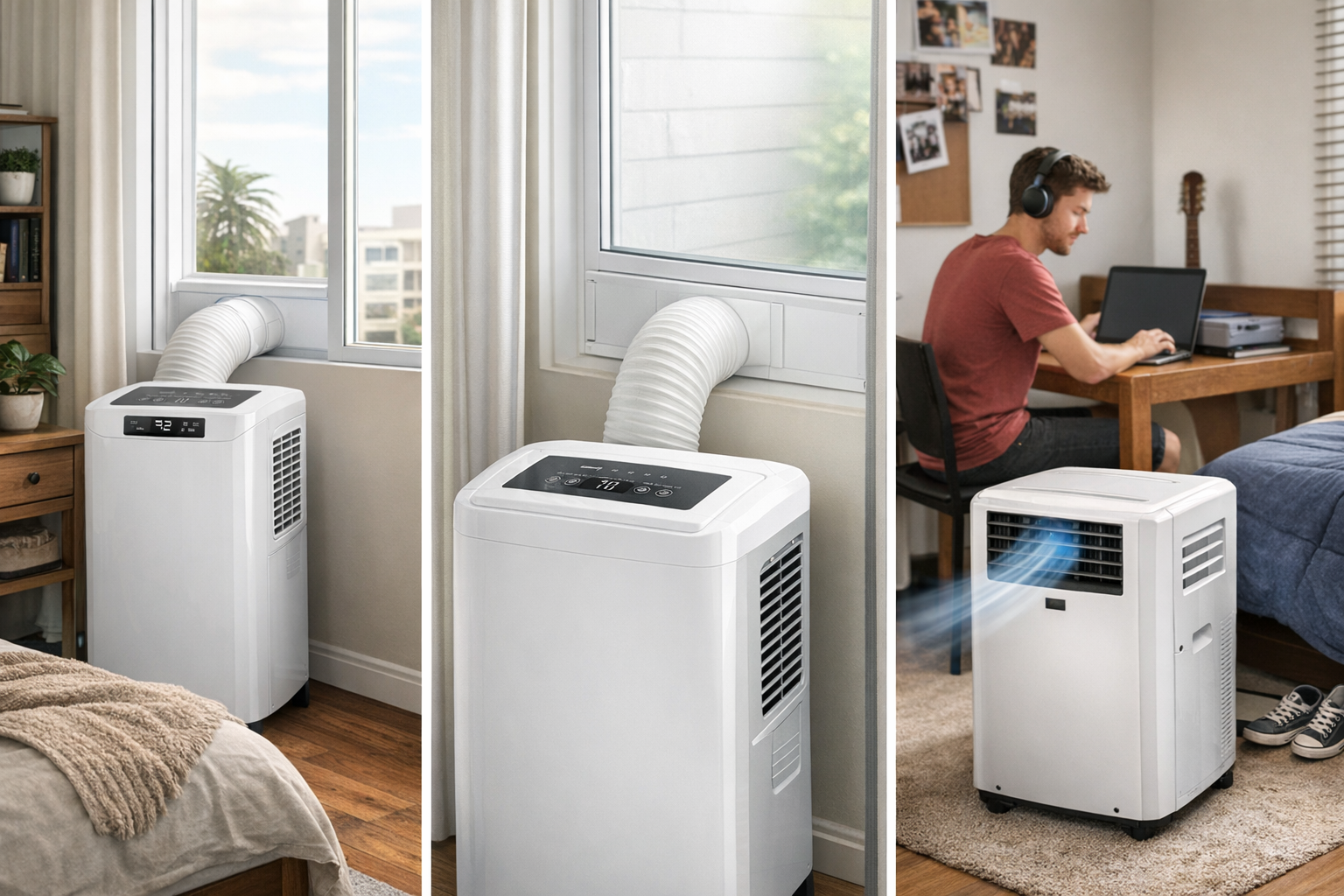
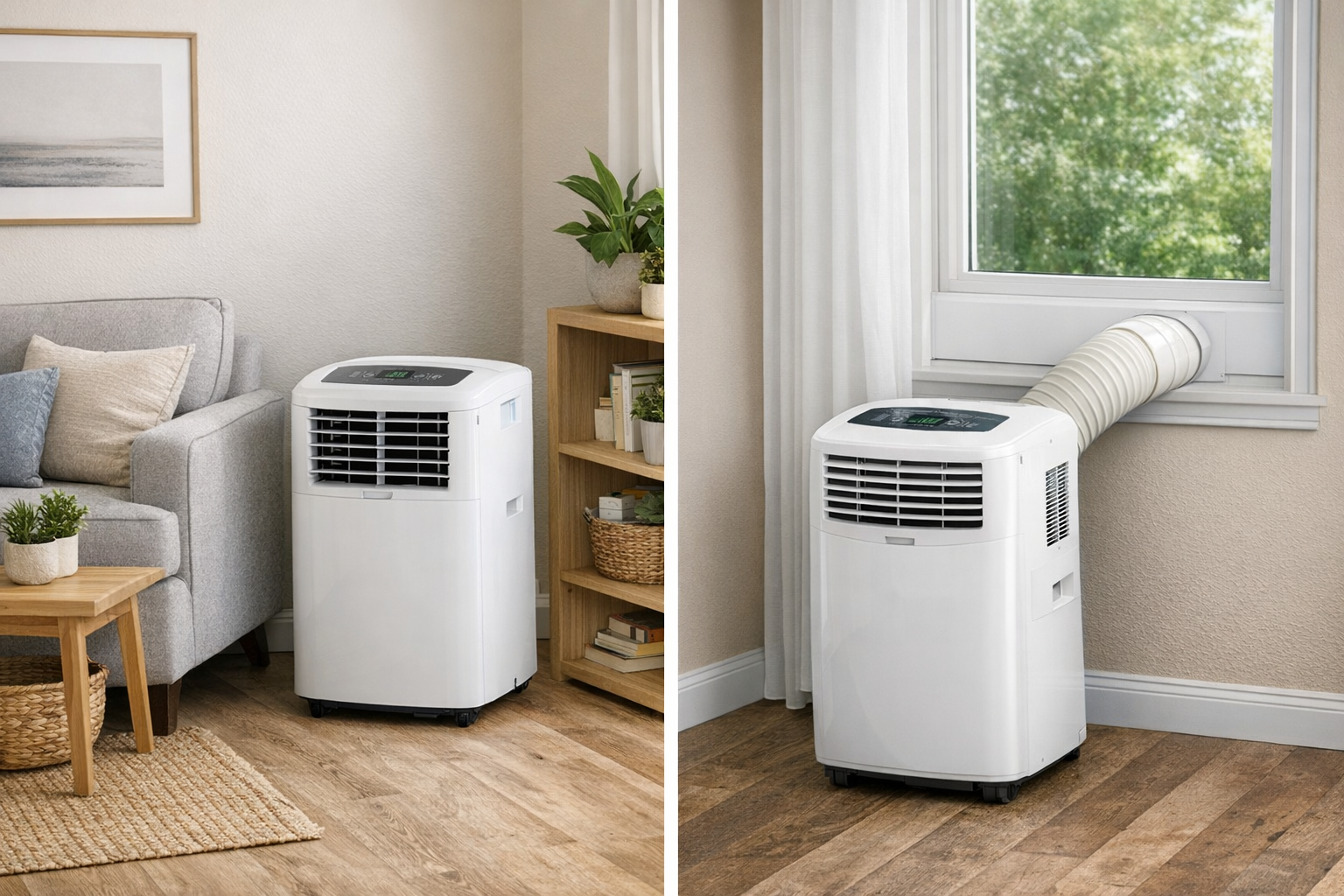
When summer heat strikes, small apartments, dorm rooms, or compact offices often struggle with traditional cooling solutions. Portable AC units have emerged as a flexible, energy‑efficient, and space‑saving alternative. Unlike bulky window ACs or expensive central systems, these units deliver targeted cooling exactly where you need it — without permanent installation.
🏠 Why Portable AC Units Are Perfect for Small Spaces
- Compact Design: Most models are sleek and lightweight, making them easy to move between rooms.
- No Permanent Installation: Ideal for renters or students who cannot modify walls or windows.
- Energy Efficiency: Many units come with programmable timers and eco‑modes to reduce electricity bills.
- Dual Functionality: Some models also work as dehumidifiers, improving indoor air quality.
- Quick Setup: Plug‑and‑play design means you can start cooling within minutes.
🔑 Key Features to Look For in Portable AC Units
| Feature | Why It Matters | SEO Keywords |
|---|---|---|
| BTU Rating | Determines cooling capacity; choose based on room size | portable AC BTU, cooling capacity |
| Noise Level | Quiet operation is crucial for bedrooms or study areas | silent portable AC, low‑noise cooling |
| Energy Efficiency Ratio (EER) | Higher EER = lower electricity costs | energy‑efficient portable AC |
| Smart Controls | Wi‑Fi and app integration for convenience | smart portable AC, app‑controlled cooling |
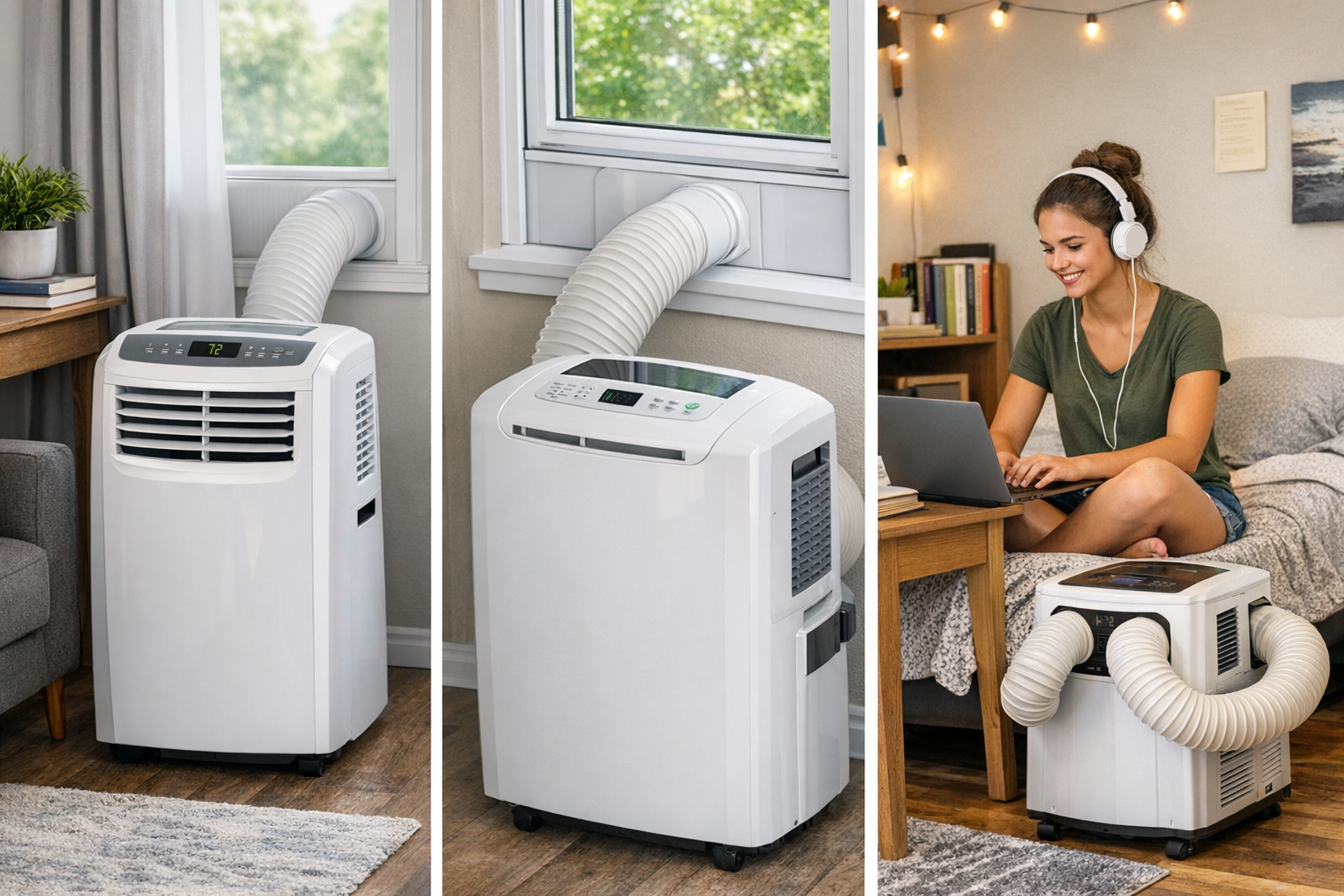
| Ventilation Options | Single or dual‑hose systems affect performance | dual‑hose portable AC, easy venting |
📊 Benefits Over Traditional Cooling Systems
- Mobility: Move the unit from your living room to bedroom effortlessly.
- Cost Savings: Lower upfront investment compared to split ACs or central cooling.
- Space Optimization: Perfect for studio apartments, small offices, or rental homes.
- Seasonal Flexibility: Use only during hot months, store away when not needed.
🛠️ Installation & Maintenance Tips
- Choose the Right Spot: Place near a window or door for proper ventilation.
- Seal Gaps: Use window kits to prevent hot air from leaking back inside.
- Clean Filters Regularly: Ensures efficient airflow and prolongs unit life.
- Check Drainage: Empty water tanks or connect continuous drainage if available.
- Store Properly: Cover and store in a dry place during off‑season.
🌟 Best Use Cases
- Urban Apartments: Where space and installation restrictions exist.
- Dorm Rooms: Affordable cooling for students.
- Small Offices: Keeps employees comfortable without overloading power systems.
- Rental Homes: Temporary yet effective cooling solution.
📝 Conclusion
Portable AC units are more than just a convenience — they’re a smart investment for small spaces. With their compact design, energy efficiency, and ease of use, they provide reliable cooling without the hassle of permanent installation. Whether you’re a student, renter, or homeowner looking for flexible comfort, portable ACs deliver the perfect balance of performance, affordability, and convenience.
❓ Additional FAQ Questions
1. Can portable AC units cool an entire apartment?
Portable AC units are best suited for single rooms or small spaces. While they can cool one area effectively, they may struggle to maintain consistent temperatures across multiple rooms.
2. Do portable AC units need a window?
Yes, most portable ACs require a window or vent opening to expel hot air through an exhaust hose. Without proper ventilation, cooling efficiency drops significantly.
3. How noisy are portable AC units?
Noise levels vary by model, but most units produce 50–60 decibels, similar to a normal conversation. Quiet models are available for bedrooms or study spaces.
4. Do portable AC units consume a lot of electricity?
Energy consumption depends on the BTU rating and usage time. Choosing an Energy Star‑rated unit and using eco‑modes can help reduce electricity costs.
5. Can portable AC units be used without water drainage?
Some models have self‑evaporating systems that minimize manual drainage. Others may require occasional emptying of the water tank, especially in humid climates.
6. Are portable AC units safe to use overnight?
Yes, they are safe when used correctly. Ensure proper ventilation, clean filters regularly, and avoid blocking the exhaust hose for uninterrupted cooling.